
Magnets for Electric Power Generation: Types, Efficiency, and Future Trends
Magnets are the unseen backbone of the modern electrical grid and electromechanical systems. From massive hydroelectric turbines to the compact motors in electric vehicles (EVs), the conversion of mechanical energy into electrical energy—and vice versa—relies fundamentally on magnetic fields. Understanding the specific properties of different magnetic materials is essential for engineers and industry professionals aiming to maximize efficiency and performance.
This article delves into the physics of magnetic power generation, analyzes the distinct types of magnets used in industrial applications, and explores how advanced materials are shaping the future of energy technology.
The Physics of Magnetic Power Generation
At the core of electricity generation is Faraday's Law of Induction. When a conductor moves through a magnetic field, or when a magnetic field changes around a conductor, an electromotive force (voltage) is induced. In practical applications like electric generators, this is achieved by rotating a coil of wire within a static magnetic field or rotating magnets around a stationary coil.
Similarly, in electric motors, electrical energy is converted back into mechanical motion through the interaction of magnetic fields. The efficiency of this conversion is directly proportional to the strength and stability of the magnet used. Stronger magnetic flux density allows for smaller, lighter, and more efficient machines.
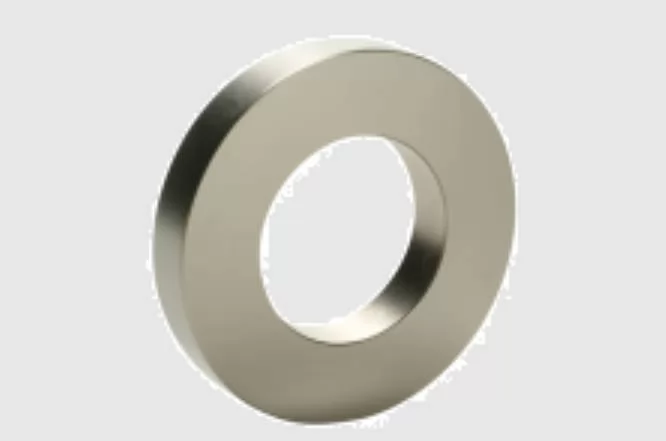
High-grade neodymium magnets are critical for maximizing torque density in modern electric motors.
Critical Types of Magnets in Electric Motors and Generators
Selecting the right magnetic material is a trade-off between magnetic strength, thermal stability, corrosion resistance, and cost. Below are the primary types utilized in the power sector.
1. Neodymium Iron Boron (NdFeB) Magnets
Neodymium magnets represent the pinnacle of permanent magnet technology, offering the highest magnetic energy product available commercially. Composed of an alloy of neodymium, iron, and boron, these rare-earth magnets are indispensable in high-performance applications where size and weight are critical constraints.
- Applications: Electric vehicle traction motors, wind turbine generators, and high-speed industrial spindles.
- Advantages: Exceptional coercivity and remanence allow for miniaturization of motor designs without sacrificing power output.
- Considerations: They can be susceptible to corrosion and may lose magnetism at extremely high temperatures unless doped with dysprosium or terbium.
For applications requiring maximum power density, explore our range of high-performance NdFeB magnets.
2. Samarium-Cobalt (SmCo) Magnets
Samarium-cobalt magnets are the preferred choice for extreme environments. While slightly less powerful than neodymium, they offer superior thermal stability and corrosion resistance.
- Applications: Aerospace motors, defense systems, and oil/gas exploration equipment where temperatures exceed 200°C.
- Advantages: They maintain their magnetic properties at high temperatures better than any other permanent magnet and do not require plating for corrosion protection.
Discover specialized solutions for high-temperature environments with our Samarium-Cobalt magnet series.
3. Alnico Magnets
Composed of aluminum, nickel, and cobalt, Alnico magnets were the standard before the advent of rare-earth magnets. They possess excellent temperature stability and are difficult to demagnetize.
- Applications: Sensors, older generator models, and specific loudspeaker applications.
- Advantages: High residual induction and the ability to operate in very high temperatures (up to 500°C).
- Limitations: Lower coercivity makes them prone to demagnetization if exposed to external opposing fields.
Learn more about traditional high-temp solutions via our Alnico magnet catalog.
4. Ferrite (Ceramic) Magnets
Ferrite magnets are made from strontium or barium ferrite. They are the most cost-effective magnetic solution and are widely used where weight and extreme strength are not the primary drivers.
- Applications: Household appliances, automotive auxiliary motors (e.g., windshield wipers, fans), and low-cost generators.
- Advantages: Excellent corrosion resistance, low cost, and good demagnetization resistance.
For cost-efficient mass production needs, view our Ferrite magnet options.
The Strategic Benefits of Advanced Magnetic Systems
The integration of high-quality magnets into power systems offers transformative benefits:
- Energy Efficiency: High-grade permanent magnets reduce resistive losses in the rotor, leading to higher overall system efficiency (often exceeding 95% in premium motors).
- Precise Control: In brushless DC (BLDC) and synchronous motors, the precise alignment of magnetic fields allows for accurate speed and torque control, essential for robotics and automation.
- Compact Design: The high energy density of rare-earth magnets enables the creation of smaller, lighter motors, a critical factor in the electrification of transportation.
- Sustainability: Efficient motors reduce global electricity consumption. Furthermore, electromagnets used in lifting and separation processes contribute to streamlined recycling and material handling.
Future Trends in Magnetic Technology
The future of electric power generation is trending toward even higher efficiency and sustainability. Key developments include:
- Radial Magnetization: Advanced manufacturing techniques now allow for complex radial magnetization patterns, optimizing flux paths in motors for smoother operation and reduced cogging torque.
- Hybrid Systems: Combining different magnet types or integrating flexible rubber-bonded magnets for specific sealing and sensing applications within motor housings.
- Supply Chain Diversification: As demand grows, the industry is focusing on recycling rare-earth elements and developing magnets with reduced reliance on critical raw materials.
Partner with MagSpring for Premium Motor Magnets
Choosing the right magnetic component is vital for the performance and longevity of your electrical systems. MagSpring stands as a leader in the design and manufacture of precision magnets for the power generation and motor industries.
Why industry leaders choose MagSpring:
- Uncompromised Quality: We utilize state-of-the-art sintering and bonding technologies to ensure consistent magnetic properties and thermal stability.
- Comprehensive Portfolio: From heavy-duty motor-specific magnets to custom permanent magnet assemblies, we cover the full spectrum of industrial needs.
- Custom Engineering: Our team provides tailored solutions, including unique shapes, coatings, and magnetization profiles to fit your specific motor topology.
- Global Competitiveness: We offer premium quality at competitive price points, serving everyone from R&D labs to large-scale OEMs.
Whether you are developing the next generation of wind turbines or optimizing an EV drivetrain, the right magnet makes the difference. Explore our full range of magnetic solutions today. For specialized promotional or educational magnetic tools, we also offer custom promotional magnets to help showcase your brand's commitment to innovation.
Upgrade your power systems with MagSpring – where precision meets power.
